


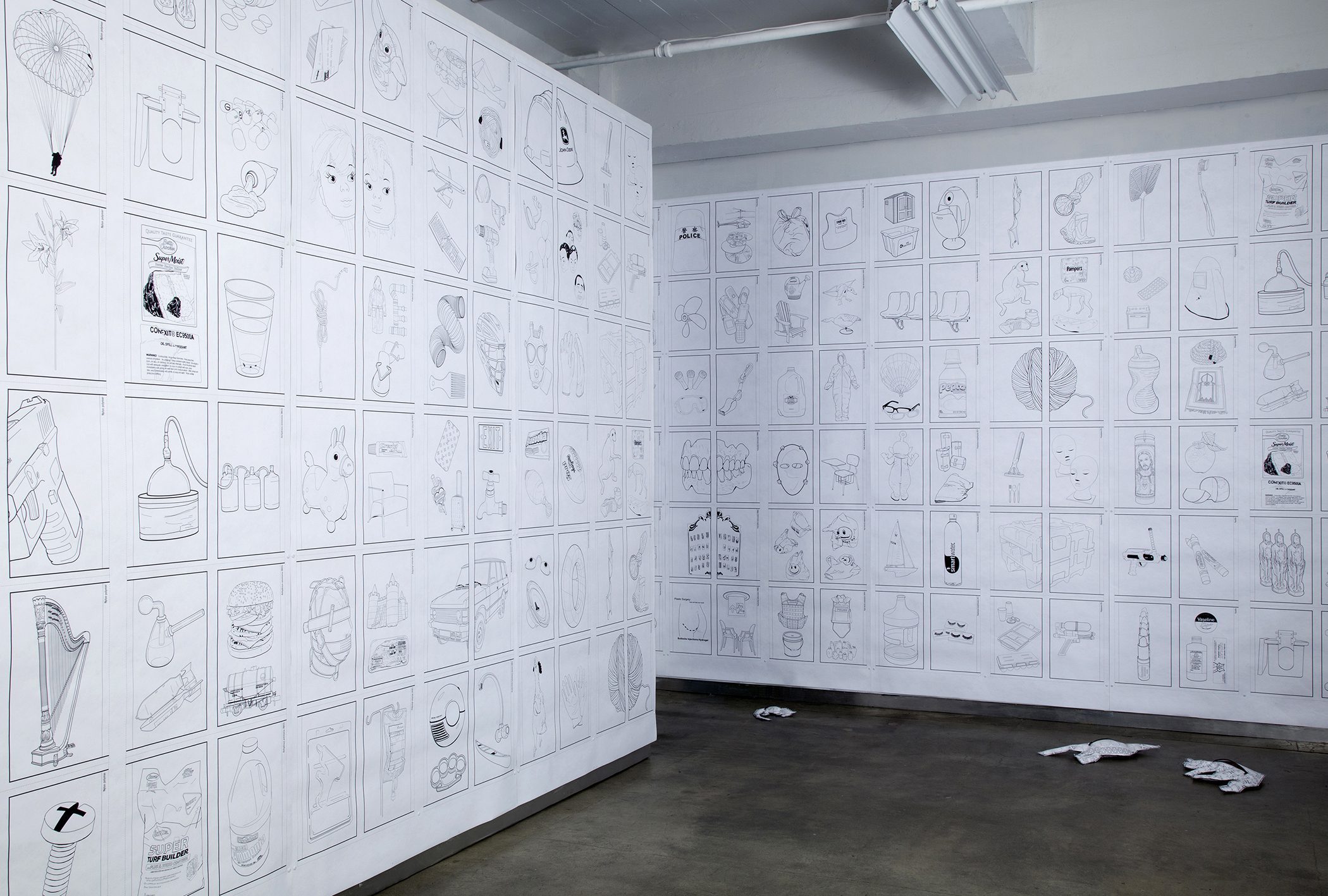
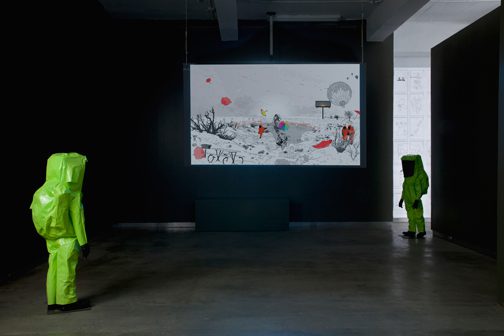


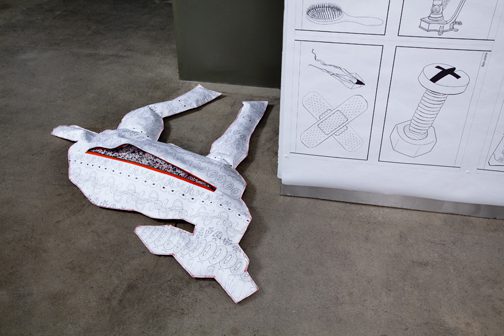
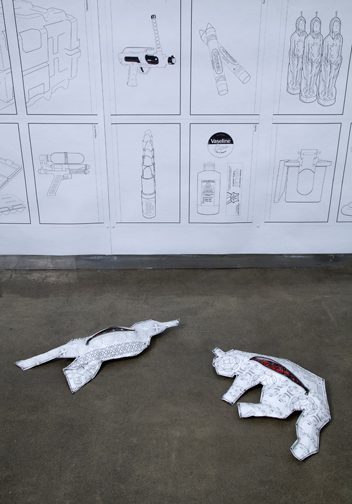

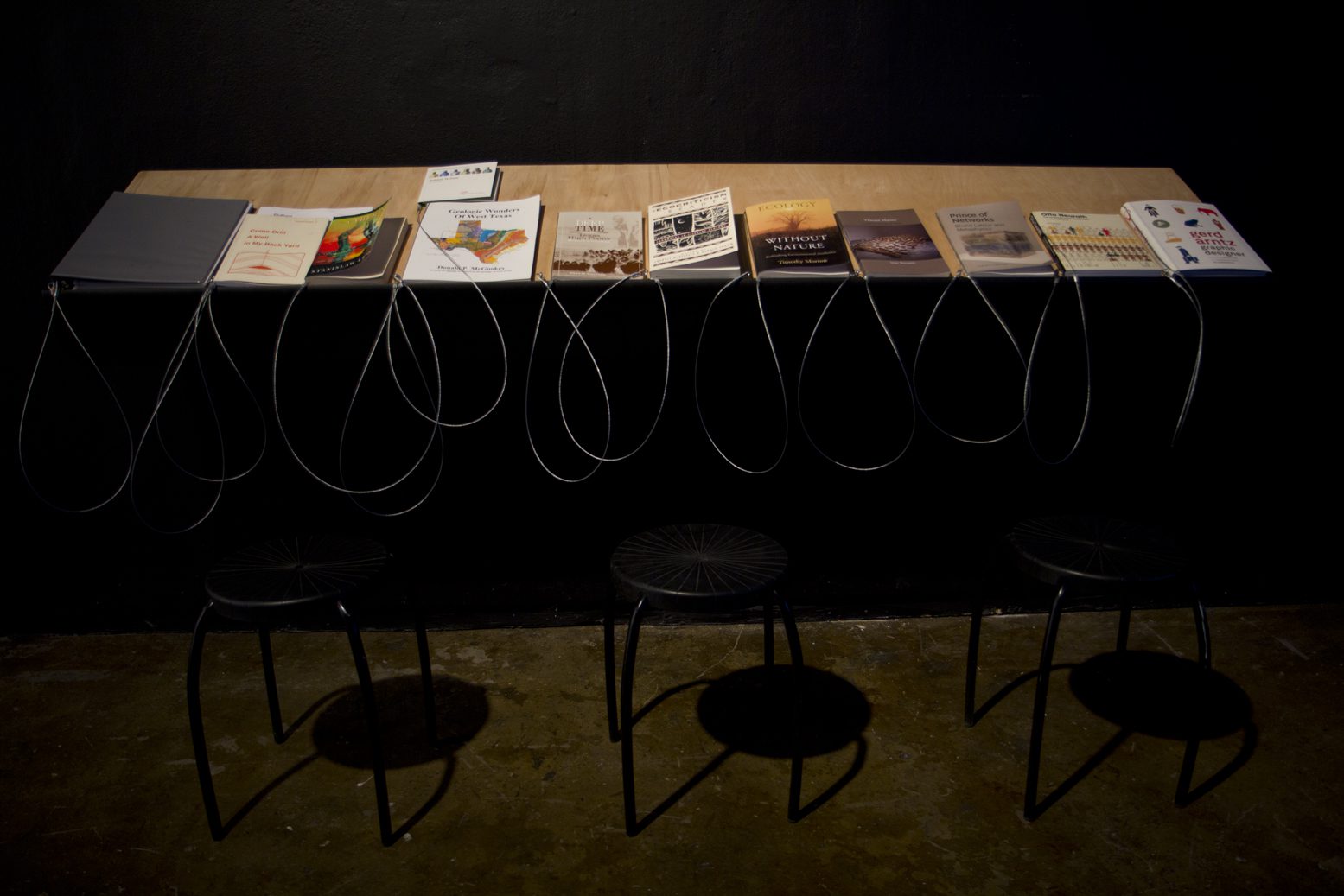
Necrocracy is a meditation on geology, time, nature and petrochemical production. First exhibited at Diverseworks in Houston, Texas, Necrocracy featured newly commissioned video animation, drawing and sculpture. Questioning the division between the natural and the human inherited from the Romantic era, the works navigate between human manufacturing of petroleum-based products, ecology, and the geological chronology of oil.
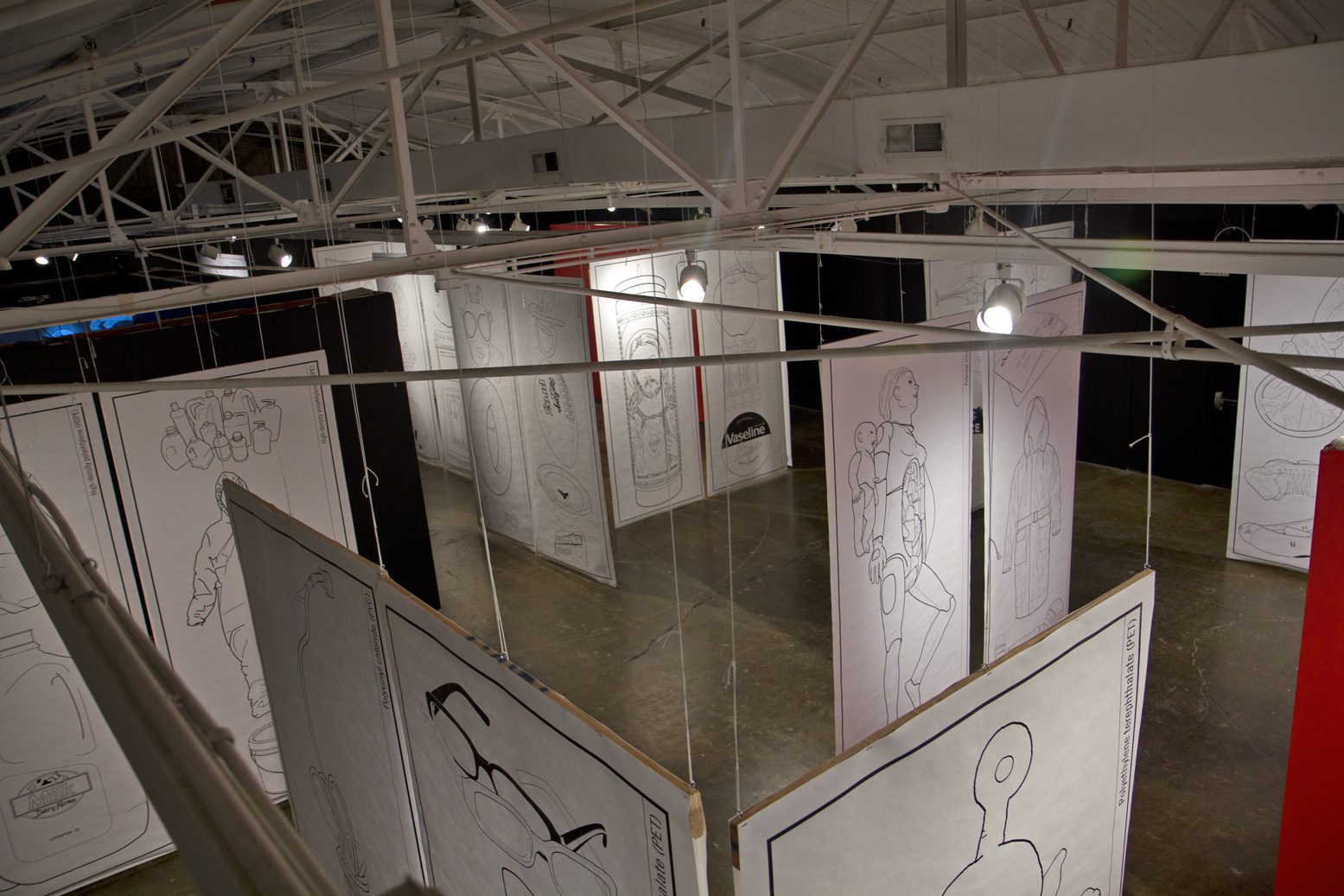
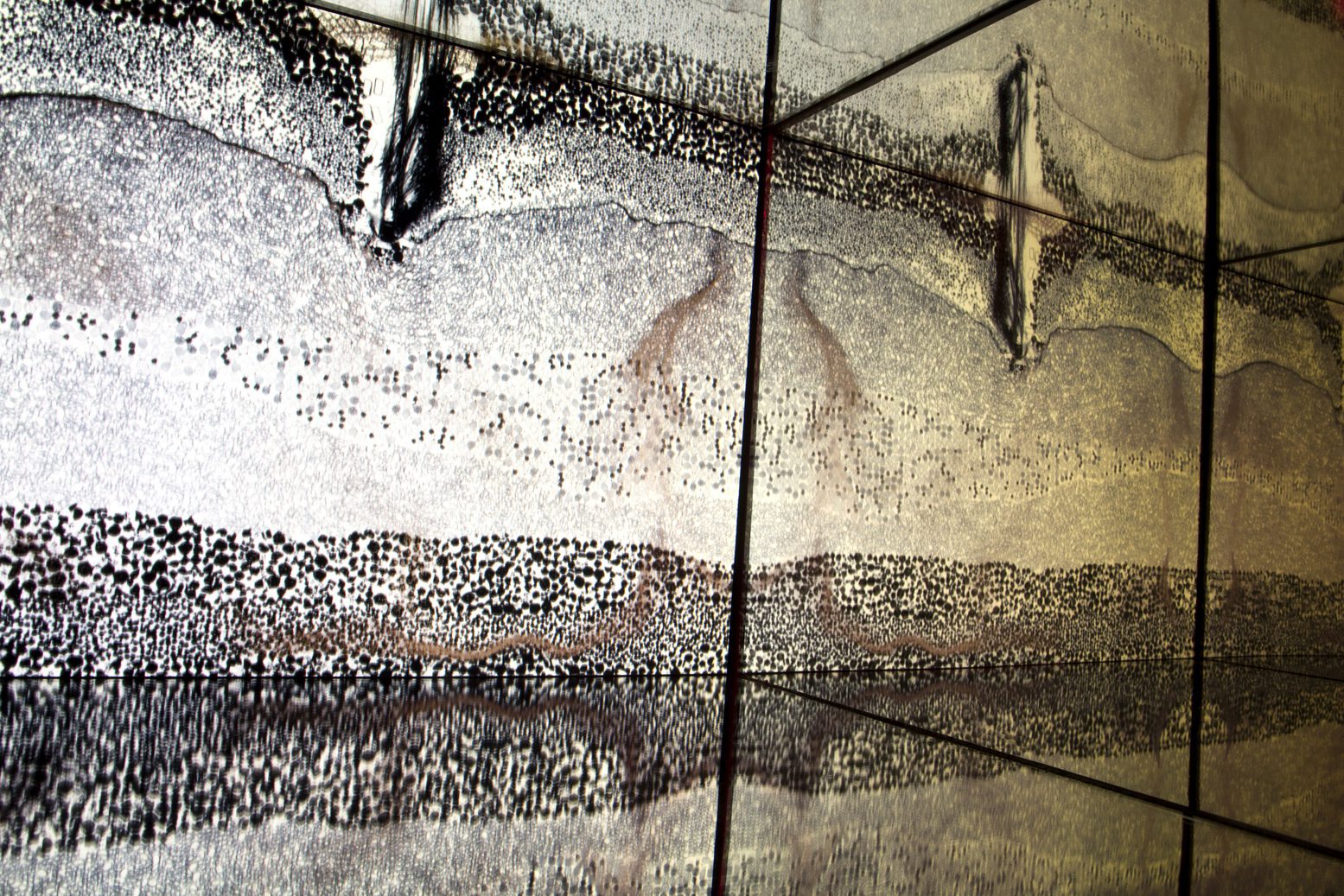
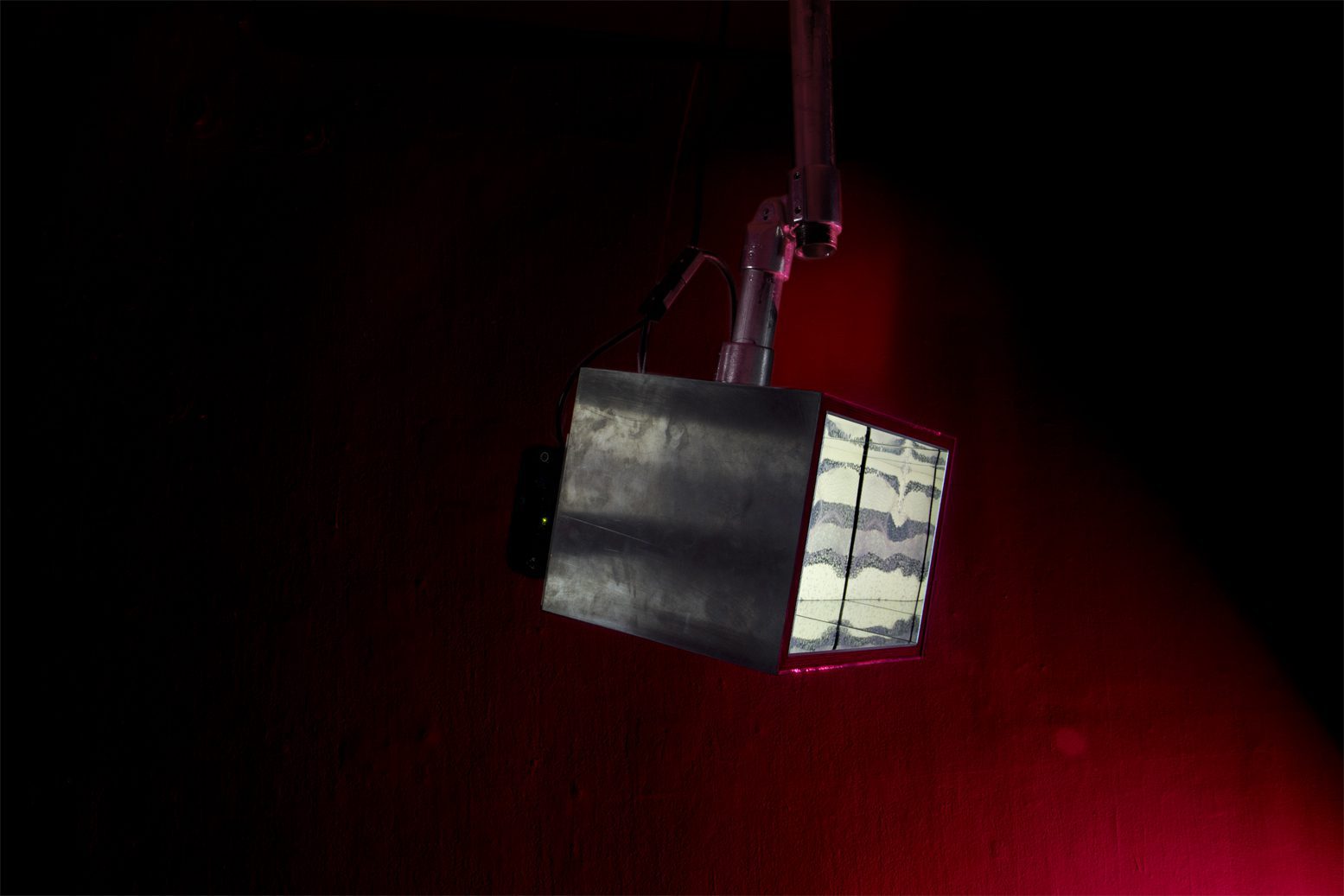
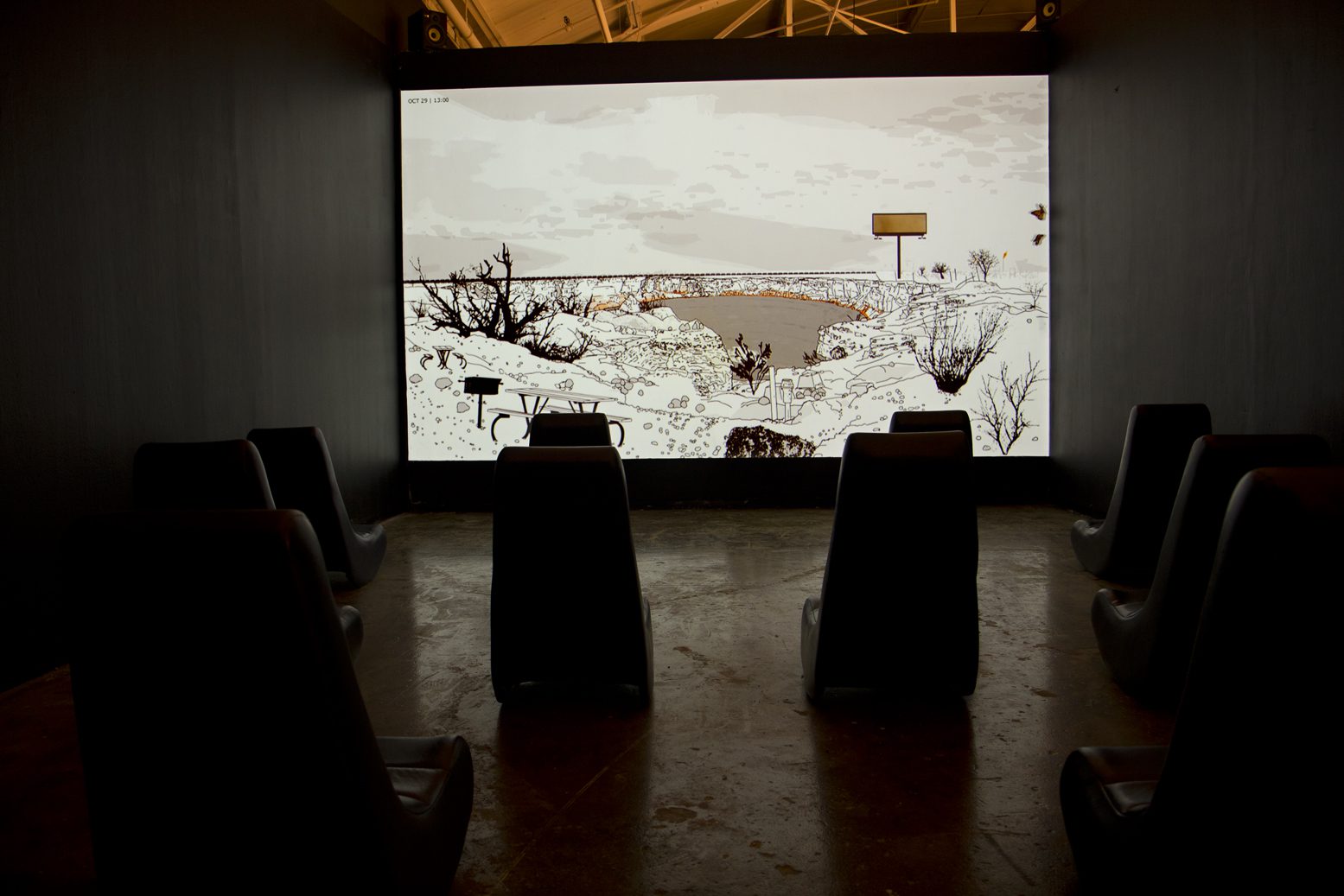
A 2012 exhibition at Diverseworks marked the debut of seven animations. The show also featured a labyrinth of fifty 10-foot high banners that depicted a wide variety of things made from petroleum plastics: IV bags, flip flops, rubber chickens, artificial flowers, nylon umbrellas, gas masks, police riot shields, cell phones, car parts, condoms, diapers, and more. The animations (some video, some software driven) look at the petroleum-rich landscape of West Texas through a series of lenses: geological time, the larger ecosystem, and the interdependence of resources like water and oil.
Subsequent to the event at Diverseworks, new exhibitions of Necrocracy, a book and public engagements in the forms of assessments and dinners were added to the project.
In January 2011, I researched the Permian Basin during a 2 week residency supported by DiverseWorks (click here for research blog link). From Marfa to Midland, I met with geologists, naturalists, cattlemen, oilmen, and activists. I traversed the high southern plains of the Llano Estacado—the ecosystem stretching from Lubbock to the Edwards Plateau—a landscape so subtle most people call it “The Big Empty.” We, all of us who live on the grid of the U.S.A., are soaking in petroleum and wouldn’t know how to live, feed, shelter, clothe, or express ourselves without oil-based products, many of which historically came from the underside of this vast plateau.
250 million years ago during the Permian period, the geological riches of the area were formed and marine microorganisms accumulated in sediments on the floor of a vast saline sea. Over millions of years, the seas dried out, the landmass itself moved to its present location, and the marine creatures transmuted into hydrocarbons. In the past century we have pumped over 100 billion barrels of oil and a hundred trillion cubic feet of gas from these Texas hydrocarbon reservoirs.
This project asks us to think about how we disturb, worship and are dominated by these long-dead beings: Necrocracy, or the rule of the dead.





Press
Artist Brings Complex Issues to the Table, Molly Glentzer,Houston Chronicle
The Insidious Poetics of Marina Zurkow, Creators Project
Might Be Good, interview by Rachel Hooper
Black Gold: Petroleum by-products fuel Marina Zurkow’s provocative Necrocracy FotoFest show, writer: Joseph Campana, Culture MapDoug Aitken, Darren Almond, Marina Zurkow, ArtInfo
Thanks
Diane Barber, Laura Blereau, Veronique Brossier, Ellen Anne Burtner, Mike Childs, Domino Plastics, Elizabeth Dunbar, Lucie Fink / DuPont, Lara Grant, Kevin Loutzenhiser /Global Protection USA, Mary Magsamen, Bobby McKnight, Michelle Mayer, Timothy Morton , Lindsay Nordell, Nancy Nowacek, Susan O’Flynn, Ruth Ozeki, Paul Paradiso, Ryan Perry, Petroleum Museum Archives, John Pluecker, Jon Read, Lucy Ross, Steve Sacks/ bitforms gallery, Nina Samuel, Marcia Sardy-Schofield, Daniel Shiffman, Abigail Simon, Miriam Simun, Robert Tidwell, Sixto Wagan, Burr Williams / Sibley Nature Center, Tom Williams / Williams Oil Co, and The John Simon Guggenheim Memorial Foundation.