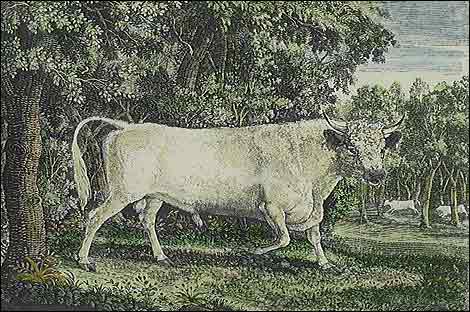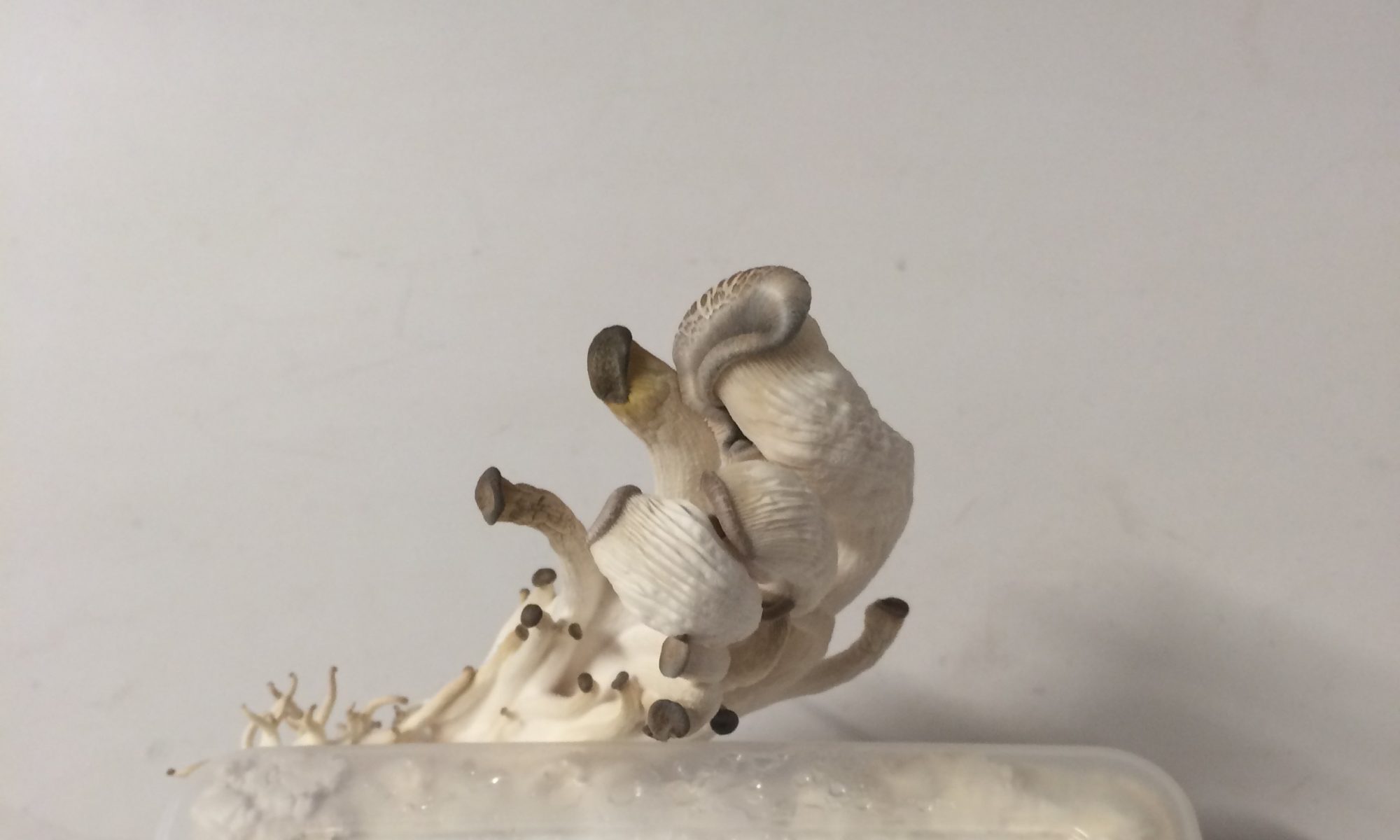
These days, very little would make me happier than to get on the train that asks Americans to reconceive their relationship to beef, by removing the cow at the end of the line. Just NOW on the NYT site, “Engineering the $325,000 Burger.”
The idea of creating meat in a laboratory — actual animal tissue, not a substitute made from soybeans or other protein sources — has been around for decades. The arguments in favor of it are many, covering both animal welfare and environmental issues.
…Yet growing meat in the laboratory has proved difficult and devilishly expensive. Dr. Post, who knows as much about the subject as anybody, has repeatedly postponed the hamburger cook-off, which was originally expected to take place in November. His burger consists of about 20,000 thin strips of cultured muscle tissue. Dr. Post, who has conducted some informal taste tests, said that even without any fat, the tissue “tastes reasonably good.” For the London event he plans to add only salt and pepper.But the meat is produced with materials — including fetal calf serum, used as a medium in which to grow the cells — that eventually would have to be replaced by similar materials of non-animal origin. And the burger was created at phenomenal cost — 250,000 euros, or about $325,000, provided by a donor who so far has remained anonymous. Large-scale manufacturing of cultured meat that could sit side-by-side with conventional meat in a supermarket and compete with it in price is at the very least a long way off.“This is still an early-stage technology,” said Neil Stephens, a social scientist at Cardiff University in Wales who has long studied the development of what is also sometimes referred to as “shmeat.” “There’s still a huge number of things they need to learn.”
– Engineering the $325,000 Burger, Henry Fountain, New York Times
Shmeat is an unfortunate moniker – a portmanteau of shit n meat.
I dream of ways to reimagine America without our beloved cow/cowboy, and start shifting the paradigms now to embrace the tube meat when it’s ready for prime-time.